Introduction: The Common Fear of Sign Writing on Commercial Vehicles
If you have recently invested in a new commercial van or refreshed an existing fleet, deciding to brand your vehicle is one of the most cost-effective marketing decisions you can make. A well-designed, professionally lettered van acts as a mobile billboard, generating thousands of daily impressions across local high streets, industrial estates, and motorways. Yet, for many vehicle owners and fleet managers, a persistent concern lingers: does sign writing damage van paintwork?
The short answer is: No, high-quality, professionally applied sign writing does not damage sound factory paintwork. In fact, premium vinyl films actually shield underlying paint from everyday road wear, stone chips, minor scuffs, and UV exposure.
However, there are important caveats. Cheap promotional vinyls, poor surface preparation, repainted or damaged bodywork, aggressive removal methods, and the notorious phenomenon known as paint ghosting can leave vehicle owners frustrated when decals are finally stripped. In this in-depth guide, we explore the science behind vehicle graphics, debunk common myths around paint damage, examine what causes ghosting, and provide actionable tips to keep your vehicle looking factory-fresh from day one to the day of resale.
—
How Vinyl Graphics Interact with Vehicle Paint
To understand whether decals can harm your vehicle, it helps to understand modern automotive finishes and the chemistry of sign writing films.
Factory automotive finishes consist of multiple layers applied over metal or composite panels:
- An electro-deposit primer (e-coat) for corrosion protection.
- A primer surfacer for smooth levelling and stone-chip resistance.
- A coloured basecoat providing pigment.
- A durable polyurethane clearcoat that seals the paint and contains UV-inhibiting compounds.
Modern sign writing relies on pressure-sensitive adhesives (PSA) engineered specifically for automotive use. Premium vehicle graphic films—such as cast and high-grade polymeric vinyls from industry-standard manufacturers like 3M, Avery Dennison, and Oracal—feature semi-permanent acrylic adhesives designed to bond securely to cured clearcoats while releasing cleanly when heated during removal.
When high-grade vinyl is applied over healthy, fully cured OEM (Original Equipment Manufacturer) clearcoat, the adhesive forms a surface bond that does not penetrate or dissolve the paint resin.
—
When Can Sign Writing Cause Actual Paint Damage?
While factory paint is tough, damage can occur in specific, avoidable circumstances. Understanding these risks will help you prevent costly bodywork repairs:
1. Applying Graphics Over Fresh or Sub-standard Resprays
OEM factory finishes are baked in industrial ovens at extreme temperatures, achieving full chemical cross-linking before the vehicle ever leaves the showroom. In contrast, standard body shop resprays air-dry or cure at much lower temperatures. Resprayed panels release solvents (outgassing) for weeks after application. If vinyl is installed before outgassing finishes (typically 3 to 4 weeks minimum), trapped solvents can degrade the clearcoat, leading to bubbling, blistering, and clearcoat peeling when graphics are removed.
2. Pre-Existing Rust, Scratches, or Flaking Clearcoat
Vinyl should never be used as a patch to hide structural rust or flaking lacquer. If moisture or oxidation has already breached the clearcoat, the adhesive will anchor to the compromised finish. When you eventually pull the vinyl away, loose paint and rust will lift off with it.
3. Using Economy Monomeric (Signboard) Vinyl on Vehicles
Monomeric vinyl is manufactured for flat, short-term indoor signage or temporary promotional hoardings. It uses aggressive, solvent-heavy adhesives that become brittle quickly and leave thick, hardened adhesive residues. On vehicles, cheap monomeric vinyl contracts under sunlight, cracking and baking into the paint surface, making clean removal nearly impossible.
4. Improper Removal Techniques
The single greatest cause of physical paint damage is blunt force during removal. Scraping vinyl off with metal razor blades, pulling cold vinyl at right angles, or using abrasive industrial chemicals will inevitably score clearcoats and cause micro-scratches. Heat and proper plastic scraping tools are essential.
—
Understanding “Ghosting”: What It Is and Why It Happens
One of the most common issues fleet managers encounter after peeling off years-old lettering is not chipped paint, but ghosting—a faint, legible shadow of the old company name and logo permanently visible in the clearcoat.
Ghosting can make a de-fleeted van look tired and affect its trade-in or resale value. But contrary to popular belief, ghosting is rarely caused by the vinyl etching into the panel. It is primarily caused by two distinct environmental factors:
1. Differential UV Oxidation and Paint Fading
Over three, five, or seven years on the road, your vehicle is exposed to harsh ultraviolet (UV) radiation from sunlight, road salts, acid rain, and environmental pollutants. These elements gradually oxidize the outer microns of the clearcoat, leading to subtle colour dulling and micro-pitting.
The paintwork covered by your vinyl graphics is completely shielded from UV rays and weathering. When the graphics are finally stripped away, the protected paint underneath is as glossy, deep, and vibrant as the day it was covered, while the surrounding exposed paint has faded. The resulting contrast forms the “ghost” outline.
2. Clearcoat Plasticizer Migration & Moisture Trapping
Automotive clearcoats and synthetic vinyl films both contain plasticizers—compounds that keep coatings flexible. Over prolonged outdoor exposure, pressure and heat can cause slight chemical exchange or trap micro-moisture under the vinyl film, slightly softening or changing the refractive index of the lacquer beneath the graphic.
—
Step-by-Step: How to Prevent and Fix Paint Ghosting
Fortunately, ghosting can be minimized during the lifespan of your graphics and successfully treated when it is time to sell or rebrand.
Prevention Strategies Before & During Installation
- Thorough Surface Preparation: Always decontaminate vehicle panels before graphics are fitted. A professional wash, tar and iron fallout removal, and an isopropyl alcohol (IPA) wipe-down remove contaminants that could otherwise interact with adhesives.
- Specify Cast or Polymeric Vinyl: Insist on polymeric or cast wrap films with removable or repositionable acrylic adhesives designed for automotive paint. Cast vinyls breathe better, expand and contract uniformly with metal panels, and feature UV inhibitors within the film.
- Maintain and Protect the Vehicle: Wash your branded van regularly using pH-neutral automotive shampoo. Applying a spray wax or protective sealant over the graphics and exposed panels every few months provides a sacrificial UV barrier, slowing overall paint oxidation.
- Mind the Lifespan: High-grade vinyl has a realistic operational lifespan of 3 to 7 years depending on colour and sun exposure. Do not leave temporary promotional graphics on for 8+ years; strip and refresh branding within the manufacturer’s recommended timeframe.
How to Fix Existing Ghosting After Graphic Removal
If you have stripped old lettering and are left with noticeable outlines, follow this restorative detailing protocol:
- Chemical Adhesive Removal: Saturate remaining adhesive with a dedicated citrus-based or citrus-solvent glue remover designed for automotive finishes (such as Rapid Remover or Tardis). Allow it to soften the glue, then gently wipe clean using a microfibre cloth. Never scrub aggressively.
- Clay Bar Decontamination: Run an automotive clay bar with lubricant over the entire panel to pull embedded industrial fallout from the unmasked areas.
- Dual-Action Machine Polishing (Compound & Polish): Because ghosting is largely a difference in clearcoat oxidation levels, machine polishing is the most effective fix. Using a medium-cut compound on a dual-action polisher removes the weathered, micro-oxidized top layer of clearcoat, levelling the gloss and colour depth between the exposed and covered areas.
- Ceramic or Wax Sealant: Once corrected, lock in the uniform gloss across the entire panel with a high-durability wax, sealant, or ceramic coating to protect the revived paintwork against future degradation.
—
Best Practices for Safe Graphic Removal
When the time comes to decommission a van or install a fresh livery, removing graphics safely requires patience and the correct tools:
| Recommended Practice | What to Avoid |
|---|---|
| Use a temperature-controlled heat gun or commercial steamer to soften vinyl adhesive (approx. 45°C–60°C). | Never blast panels with excessive heat on a single spot, which can blister clearcoat. |
| Pull the vinyl back slowly and steadily at a flat 45-degree angle against itself. | Do not yank cold vinyl upwards at a 90-degree angle, which pulls perpendicular to the clearcoat. |
| Use purpose-made plastic razor blades or nylon scrapers to lift edges. | Never use steel Stanley blades or screwdrivers on painted panels. |
| Use specialist citrus adhesive removers and clean microfibres. | Avoid harsh solvents like acetone, cellulose thinners, or brake cleaner that melt automotive clearcoat. |
—
Summary: Professional Sign Writing Protects More Than It Harms
When executed with professional-grade materials and industry-standard installation techniques, van sign writing does not harm your vehicle’s paintwork. In reality, commercial graphics serve as a protective barrier against day-to-day road grime and physical abrasions.
By choosing reputable sign makers who use premium polymeric and cast vinyls, maintaining your vehicle with regular washing, and following correct removal and machine-polishing procedures, you can run high-impact fleet branding for years and still return your paintwork to pristine, showroom condition when it’s time to upgrade.

Does Sign Writing Damage Van Paintwork? (And How to Prevent Ghosting)
Introduction: The Common Fear of Sign Writing on Commercial Vehicles If you have recently invested…
Top Ten Trade Van Reviews
Every mile you drive an unlettered commercial van through Macclesfield, Wilmslow, Knutsford, or Alderley Edge…
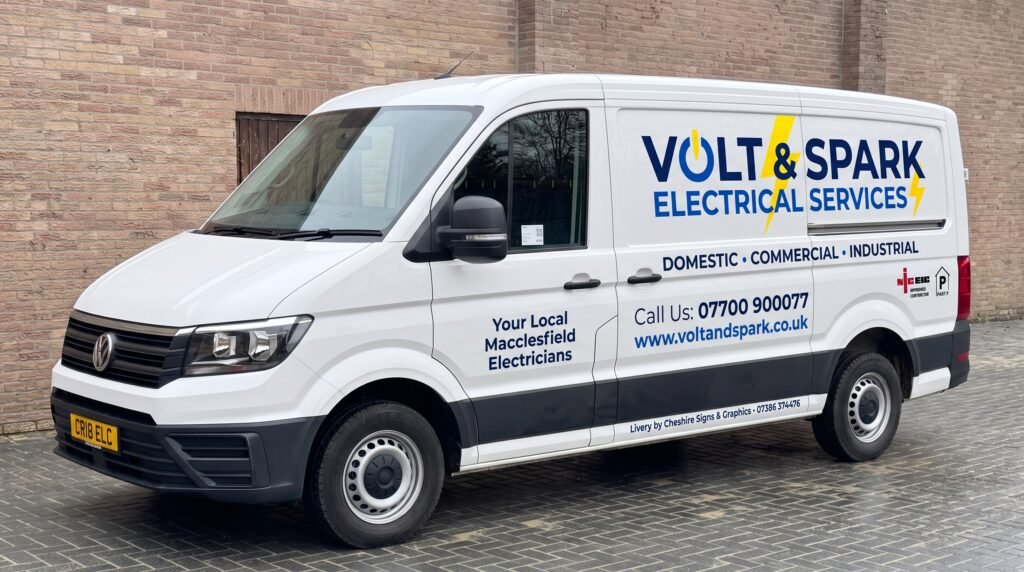
VW Crafter Van Graphics: Maximising Commercial Impact Across Cheshire
Why the Volkswagen Crafter Is the Ultimate Moving Billboard for Cheshire Trades If you operate…
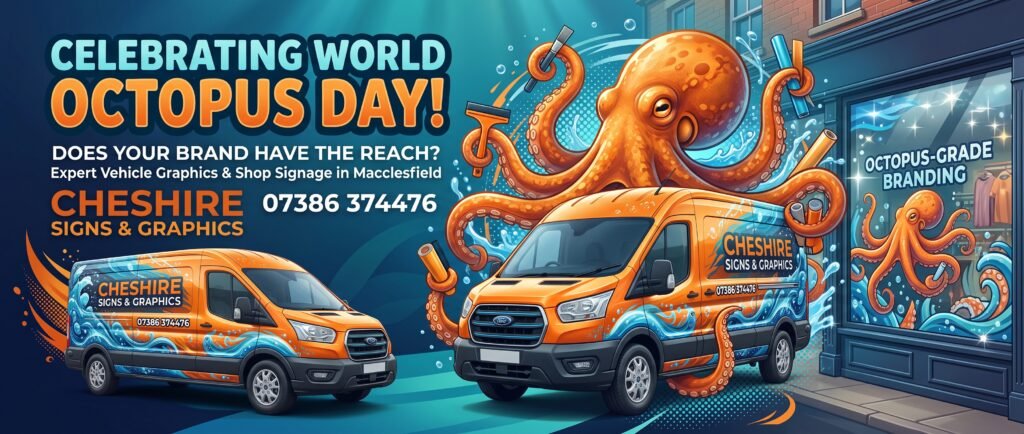
Does Your Business Have the Reach? Celebrating World Octopus Day with Expert Signage
By Cheshire Signs & Graphics – Macclesfield’s Go-To Vehicle Wrapping & Window Signage Specialist Today…

Shop Graphics Alderley Edge
Stop Traffic: Why Professional Shop Front Graphics in Alderley Edge Are Your High Street ‘Handshake’…

Bringing It Home: Why Your Business Needs to Look Like Winners Ahead of Tonight’s England vs Argentina Clash!
Tonight is the night. The tension is palpable, the flags are flying high across Macclesfield,…